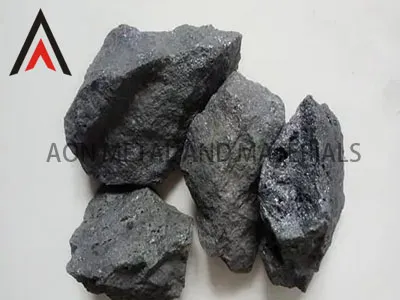
into "oxygened" and "non-oxygen" is mainly based on its reaction ability to oxygen and its performance in practical applications. These two classifications reflect the different characteristics of silicon metal in metallurgy and alloy production. Here are the differences between the two types and their functions:


Non-oxygenated silicon
Non-oxygenated silicon (also called "non-deoxidized silicon" or "low-oxygen silicon") refers to silicon with weak oxidation ability during the production process, and its oxygen removal effect is not as good as oxygenated silicon. This type of silicon usually has a higher oxygen content.

The classification of "oxygenated" and "non-oxygenated" silicon metal mainly reflects the difference in its deoxidation ability. Oxygenated silicon has a higher deoxidation ability and is suitable for applications with high oxygen removal requirements, such as deoxidation in aluminum alloy production. The oxygen-free silicon is suitable for applications that do not require high deoxidation requirements, and its main function is to improve other properties of the alloy. Therefore, it is very important to choose the right type of metallic silicon according to specific production needs and applications.